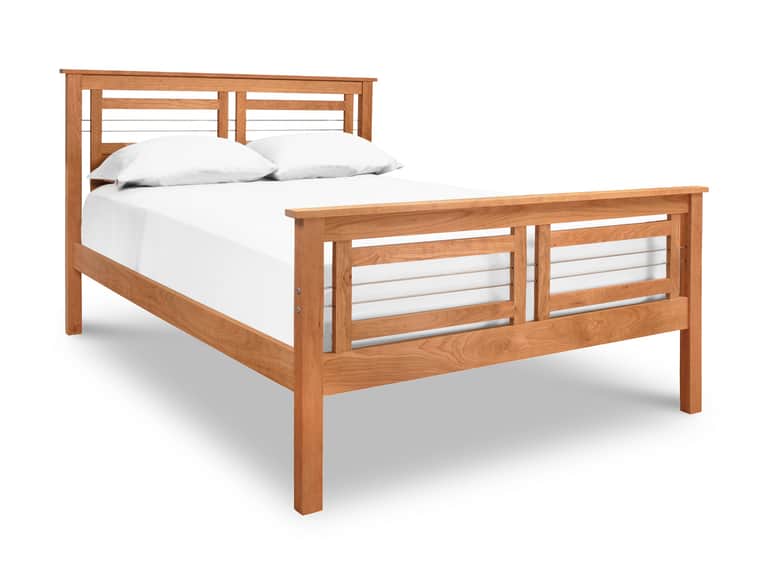
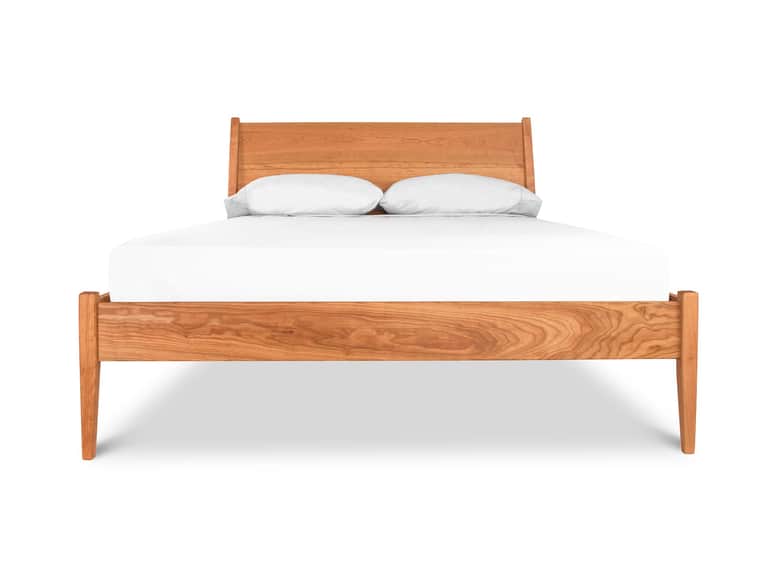
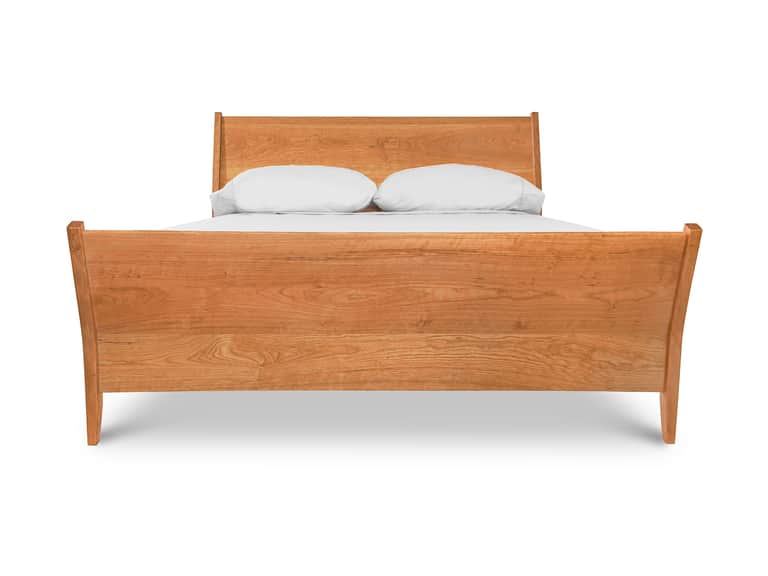
Furniture encompasses a broad range of components designed to illuminate how spaces are used for rest, work, and gathering. In this category, emphasis is placed on frames, bases, and accessories that support comfort, stability, and long-term durability. Material choices, joinery techniques, and finish options influence aesthetics as well as respiration, humidity tolerance, and ease of maintenance.
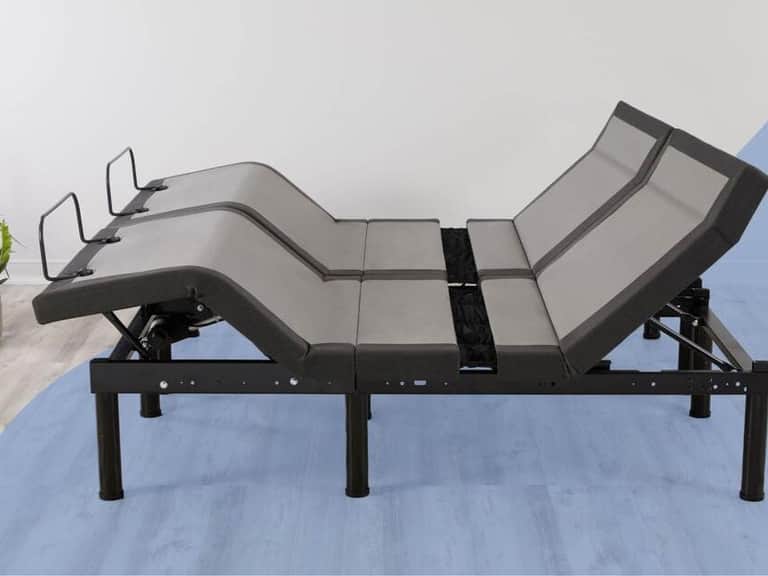
Key product features often include adjustable bases and modular headboards that adapt to user preferences for reading, sleeping, or watching media. Understanding height adjustability, divideable support systems, and motorized controls helps evaluate compatibility with existing frames, mattress types, and room layouts, ensuring ergonomic alignment and spinal support across different sleep positions.
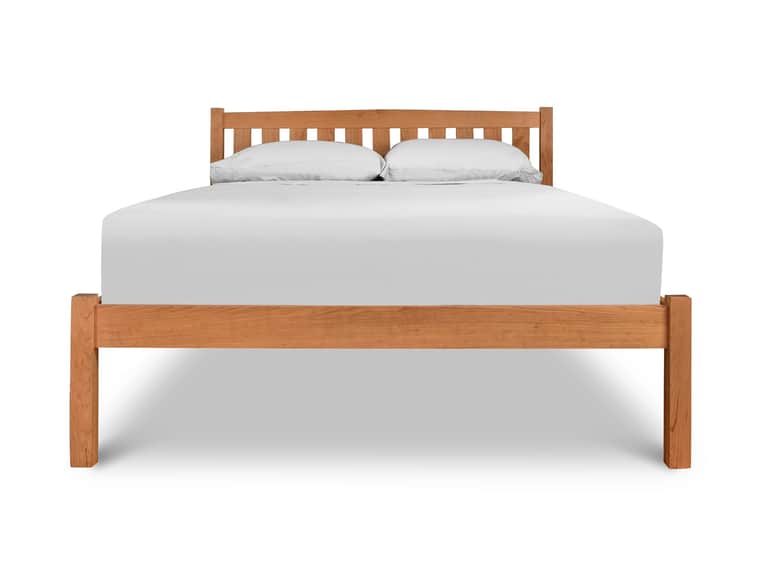
Among the notable products are several bed configurations and supports, such as the Charlotte Upholstered Bed, Bennington Bed with Low Footboard, and Contemporary Cable Bed, which illustrate how design language intersects with stability. These frames benefit from solid slat systems, secure fasteners, and aesthetic profiles that complement diverse bedroom styles.
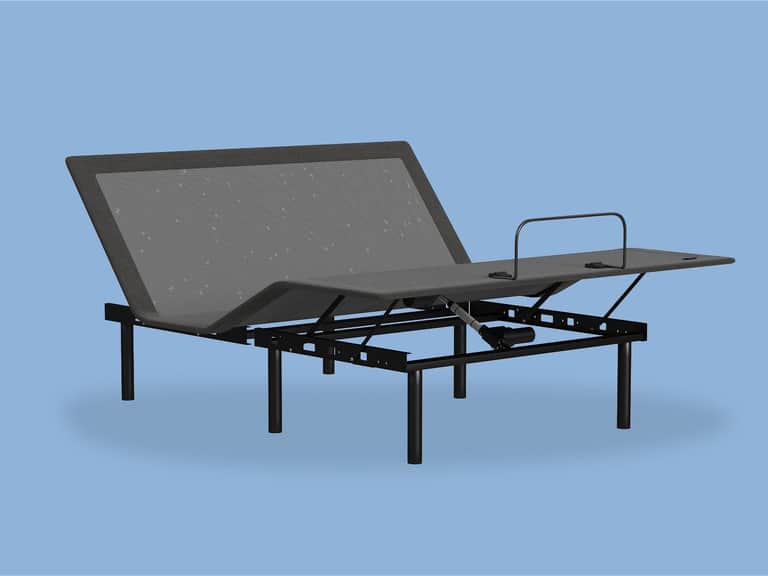
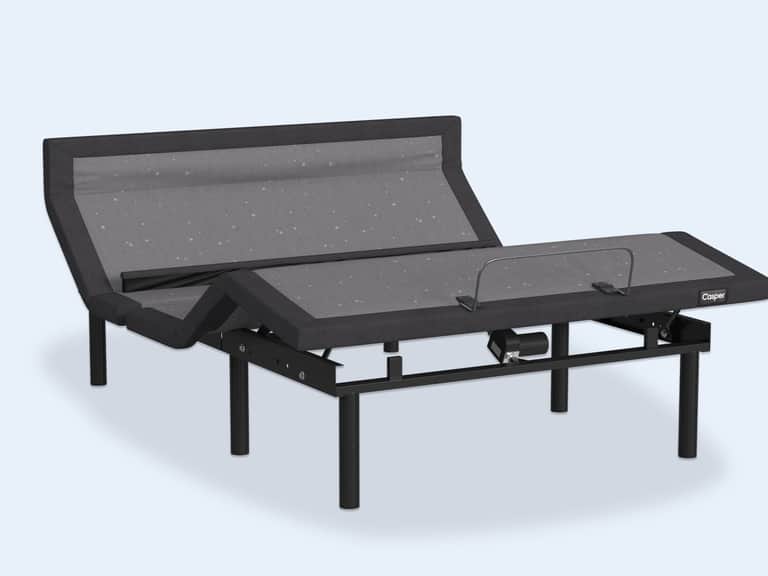
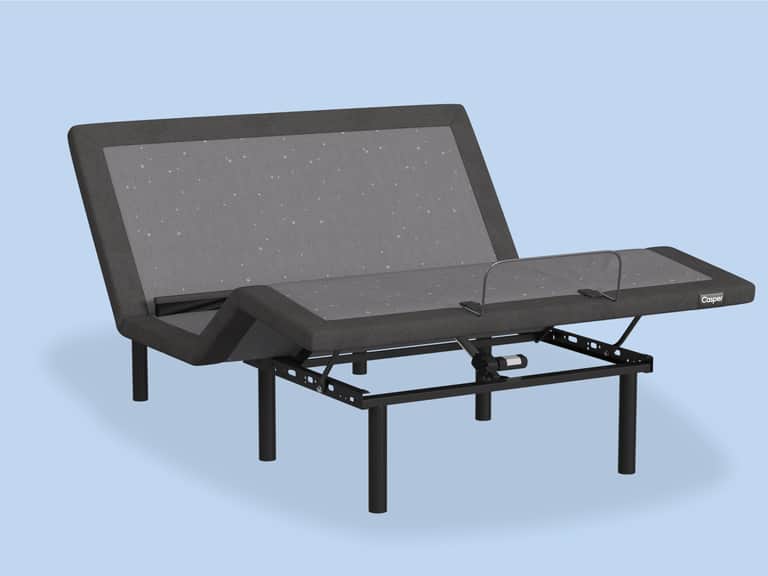
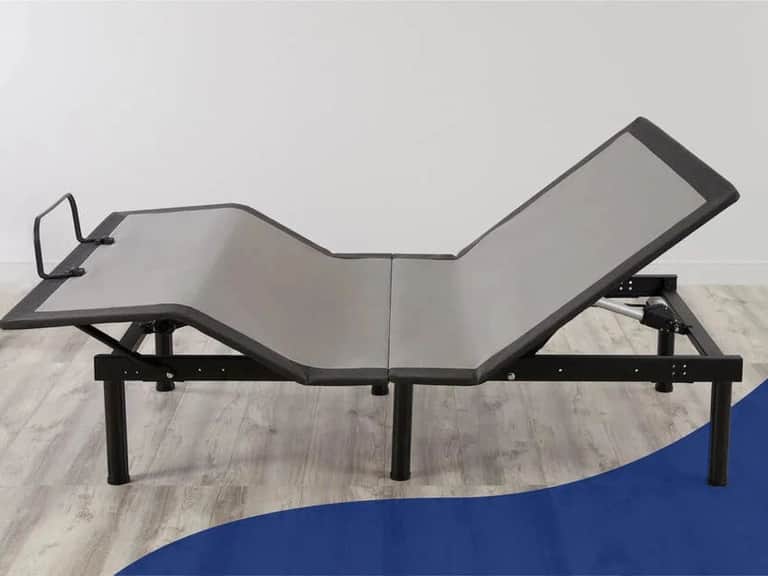
Adjustable bases like the Adjustable Base, Adjustable Base Max, and models from 2023 and Pro lines provide versatile foundation options. Understanding motor performance, weight capacity, preset positions, and noise levels informs safe, quiet operation and reliable function for varied sleeping arrangements and room layouts.
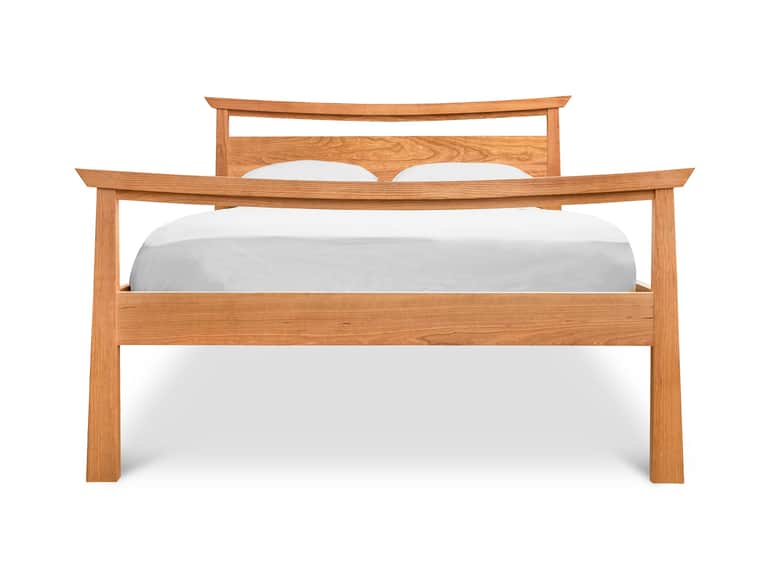
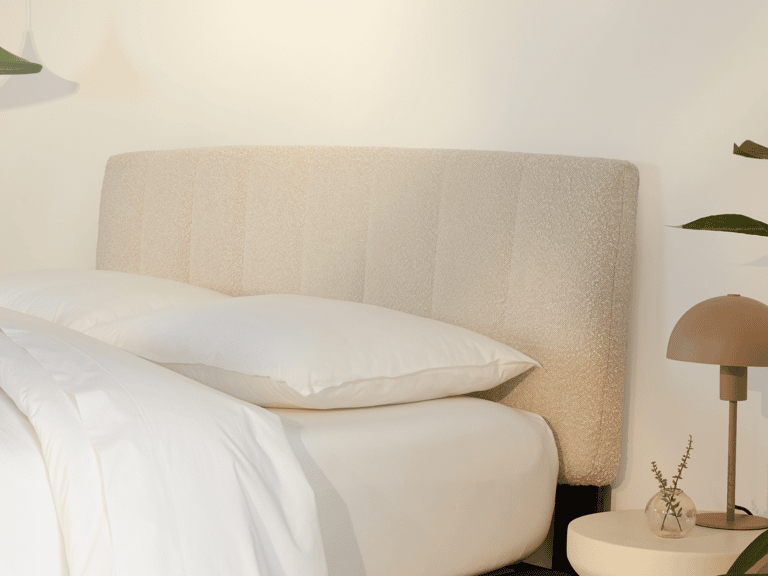
Accessories and complements, including Bliss Attachable Headboard, pillow covers, shams, and related bedding components, extend the practical value of a well-chosen bed setup. Exploring how these elements integrate with different bed styles—such as Andover Modern Incline Sleigh Bed or Cherry Moon Bed—supports cohesive design and consistent user experience.
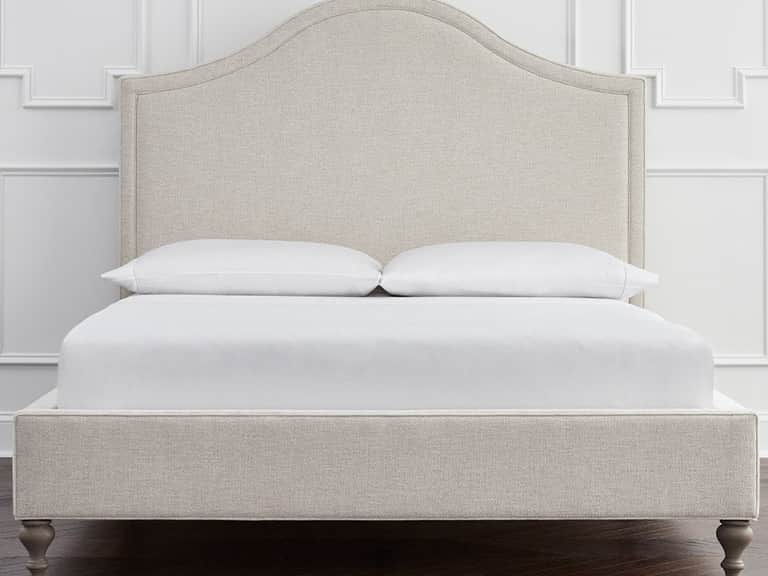 Furniture